
Dentistry as a profession includes a great variety of dental procedures, some of them are complex and others are relatively easy to perform. One country that is visited by people around the world needing high quality and affordable dental procedures is Costa Rica. There are a great variety of dental clinics that specializes in different dental procedures such as dental implants, veneers, teeth whitening and others. In this article we will take a brief summary of some of the most common dental procedures in Costa Rica and all over the globe. With many modern dental clinics such as Advance Dental Costa Rica which provides a great variety of dental procedures, it is an easy way to improve the quality of your smile at an affordable price while being in a beautiful country.
Tooth Extractions and Dental Implants

The first and the most common among dental procedure are extractions and dental implants. Extraction is the process of removing teeth from the mouth and dental implant is an artificial tooth root placed in the patient’s jaw to hold a crown or replacement tooth . There are some reasons why a person needs to undergo a tooth extraction. The most common cause is tooth decay. Once the decay on the tooth is too advanced an a restoration is not a viable solution, the dentist might advise for it to be extracted and replaced with a dental implant. Another reason is the presence of a wisdom tooth. Wisdom teeth are not necessarily a problem unless if it does not have enough space to grow, then that is the only times that wisdom tooth is extracted.
Dental Veneers

Another procedure is dental veneers. This process is performed to save a tooth from more damage. A Dentist will put a thin layer of a composite material or porcelain that will cover the teeth. They will bond it directly to the affected area to cover the damage. Tooth veneers tend to be costly, and it may range from $300-$3000. In addition to these procedures, we also have crowns and bridges that are placed or attached to a weak tooth and save them from more damages. Average crowns and bridges cost $900.
Teeth Whitening

Dental bleach or dental whitening typically cost $250, and it is considered one of the famous kinds of dental procedure. There are so many products today, even over-the-counter solutions that promise to give us whiter teeth in an instant. Some of the toothpaste that is available in most grocery stores today has a whitening ingredient on them. Aside from dental whitening, we also have a procedure called Contouring. Contouring usually cost $50 to $500. Tooth contouring is also known as tooth reshaping. All Dentists in the world just like a Costa Rica dentist perform this procedure to correct any crooked, chipped or cracked teeth. It is done to enhance the appearance of our teeth.
Root Canal Procedure
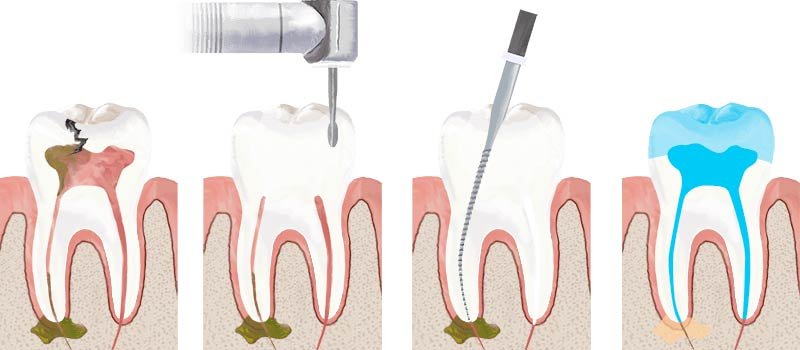
We also have the so-called Root Canal Therapy, from the name itself, we know that therapy is an activity that relaxes an individual. In root canal treatment, modern types of equipment are used to clean all the canals inside the decaying tooth. However, the method is painless, more comfortable, and more relaxed. This method is being done to treat some nerves or tissues, and if it is not performed well, it could be an intensely painful experience for the patient’s part.
Gum Lift

The gum lift is a very complicated procedure and the price of it starts at $900 and up. On this step, the Dentist will reshape the underlying bones and tissues to adjust the lining of the teeth.
Tooth Filling
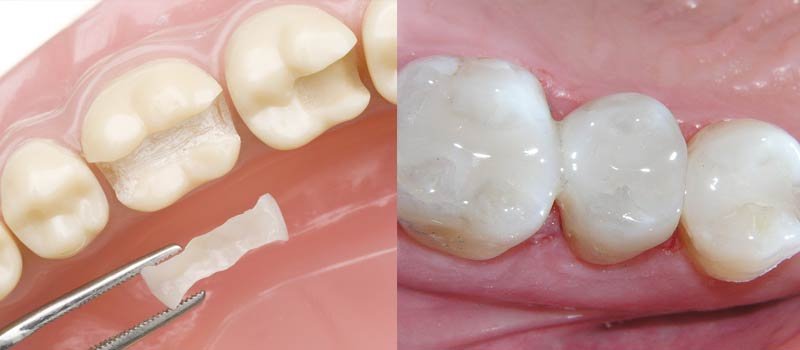
Another procedure is tooth filling which ranges from $100-$300 only. There are different types of materials that are being used for filling the teeth; some of it includes gold, composite resin and porcelain based on the patient’s preference. Dentures cost $1200 and may increase depending on the need. Dentures serve as a replacement for the teeth.
There are still more dental procedures that are being performed by Costa Rican dentists such as, Advance Dental, Goodness Dental, Prisma Dental, Nova Dental, Meza Dental, Colina Dental and more. Dental practitioners or any dentist can also perform other dental procedures such as bite reclamation, bonding, cleaning, brushing, and flossing.
Our teeth are one of the most salient parts of the entire body, so it is extremely vital that we take all preventive measures to take good care of them.